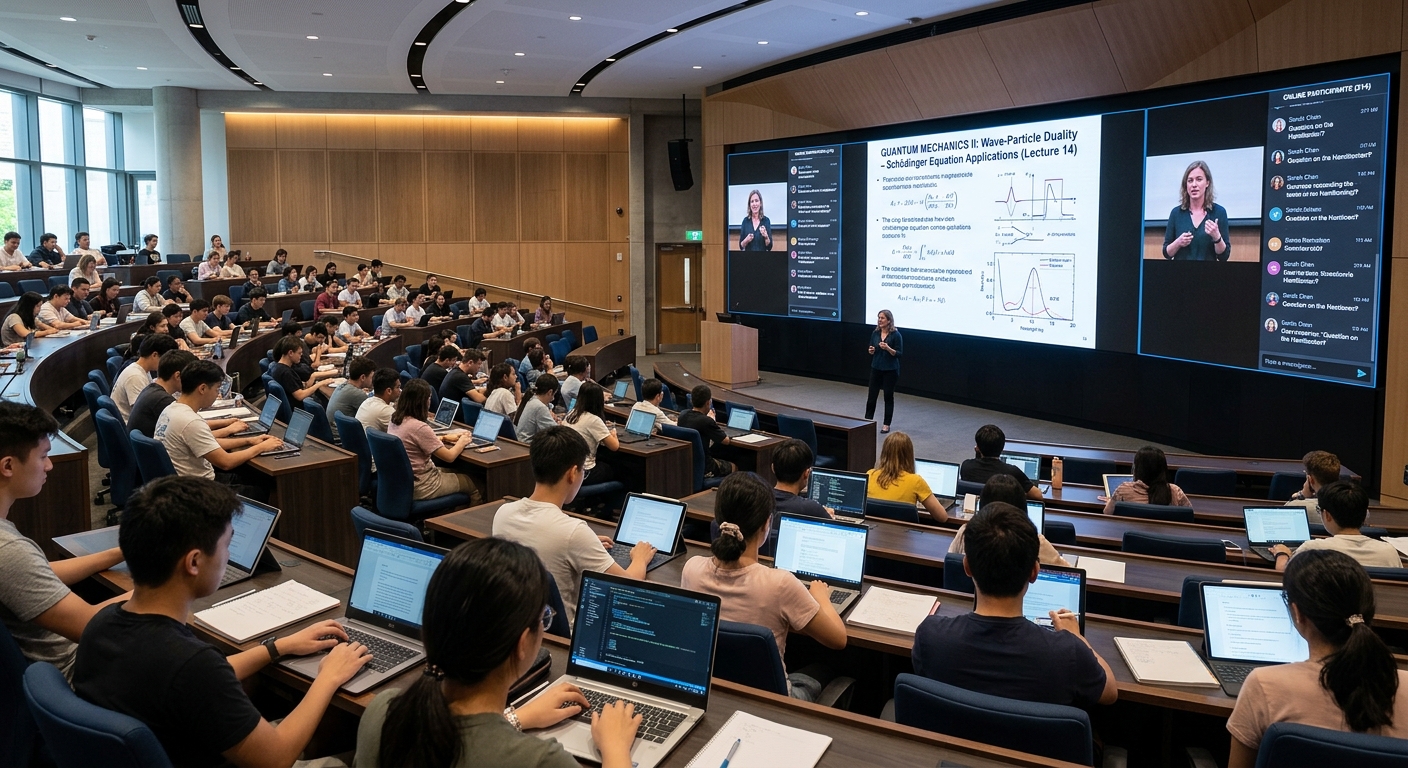
Higher education institutions are transitioning from makeshift emergency remote setups toward deliberate hybrid learning architectures. A coherent hybrid learning framework blends synchronous campus seminars with structured asynchronous digital modules, preserving faculty contact time while granting students flexible pacing.
Core Elements of a Hybrid Learning Architecture
Constructing a durable hybrid infrastructure requires synchronising academic policies, video delivery networks, and centralized learning management tools:
- Unified curriculum containers: Every course section requires a standardized digital home where lecture syllabi, discussion prompts, reading materials, and submissions live alongside one another.
- Asynchronous content pathways: Pre-recorded micro-lectures and modular self-assessments prepare students before in-person discussions, turning physical class sessions into applied workshops.
- Centralized progress monitoring: Instructors require cross-sectional reporting that signals when students fail to engage with pre-class preparation, allowing targeted reminders before scheduled exams.
Overcoming Implementation Friction
Institutions transitioning to systematic hybrid delivery often face logistical friction that can compromise student engagement:
Faculty Workload Balance
When digital tools require duplicate data entry or disparate gradebook synchronisation, faculty face administrative overload. Using automated grade sync, templated course shells, and integrated quiz banks reduces operational setup to hours rather than weeks.
Consistent Student Experience
Without standard course navigation and unified submission deadlines, learners struggle to track obligations across departments. Standardizing platform templates across faculties ensures students experience identical navigation mechanics regardless of subject.
Scalable Cloud Video and Resource Delivery
High-definition lecture captures and interactive media require adaptive bitrate streaming to ensure reliable playback on campus Wi-Fi and domestic mobile networks alike.
Building Resilience for Future Terms
Institutions that invest in modular, cloud-based hybrid learning architectures protect their academic continuity against disruptions while widening enrollment access for professional and remote learners.

David K. Chen
Head of Learning Architecture & AI Pedagogy
David K. Chen is a learning architect and EdTech researcher specializing in adaptive learning frameworks, micro-learning methodologies, and skill graph architectures. He advises organizations on transitioning from rigid training curriculums to agile, continuous workplace learning models.