Static training catalogs often leave employees guessing which courses actually support their professional goals. When learning paths adjust to an individual's existing baseline, pacing, and target role, professionals stay engaged and build competencies that matter. Modern digital learning platforms make this personalization achievable across entire teams.
What Makes a Learning Path Truly Adaptive
Adaptive learning pathways go beyond static course playlists. They assess what someone already knows and dynamically route them through relevant material:
- Diagnostic Pre-Assessments: Learners test out of topics they have already mastered, protecting their time for unfamiliar subject areas.
- Dynamic Difficulty Calibration: Practice modules and scenario tests adjust challenge levels based on real-time quiz performance.
- Branching Remediation: If a learner struggles with a key concept, the system provides supporting modules before moving forward.
Connecting Day-to-Day Learning to Career Milestones
Employees invest more effort in training when they can see the direct line between current coursework and future role advancement.
Mapping Skill Ladders to Internal Roles
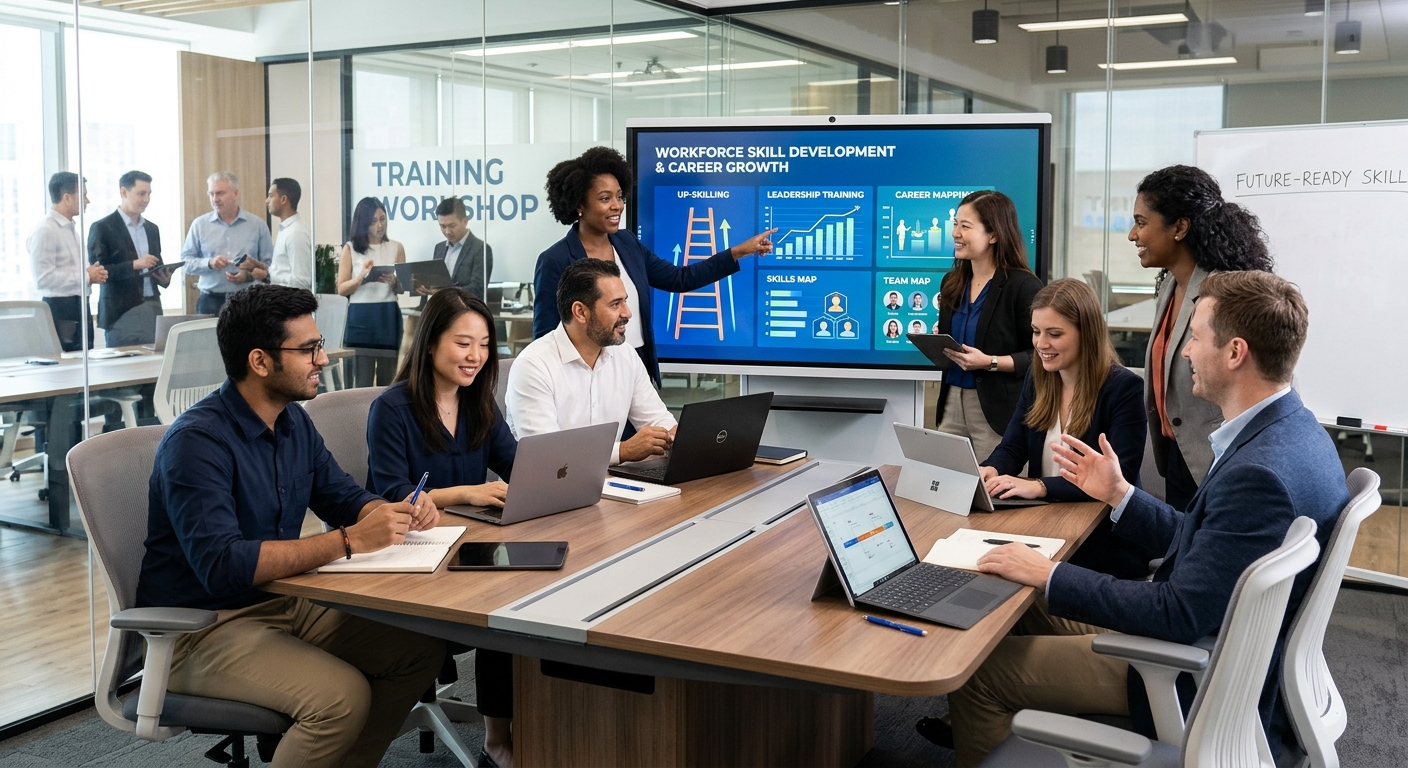
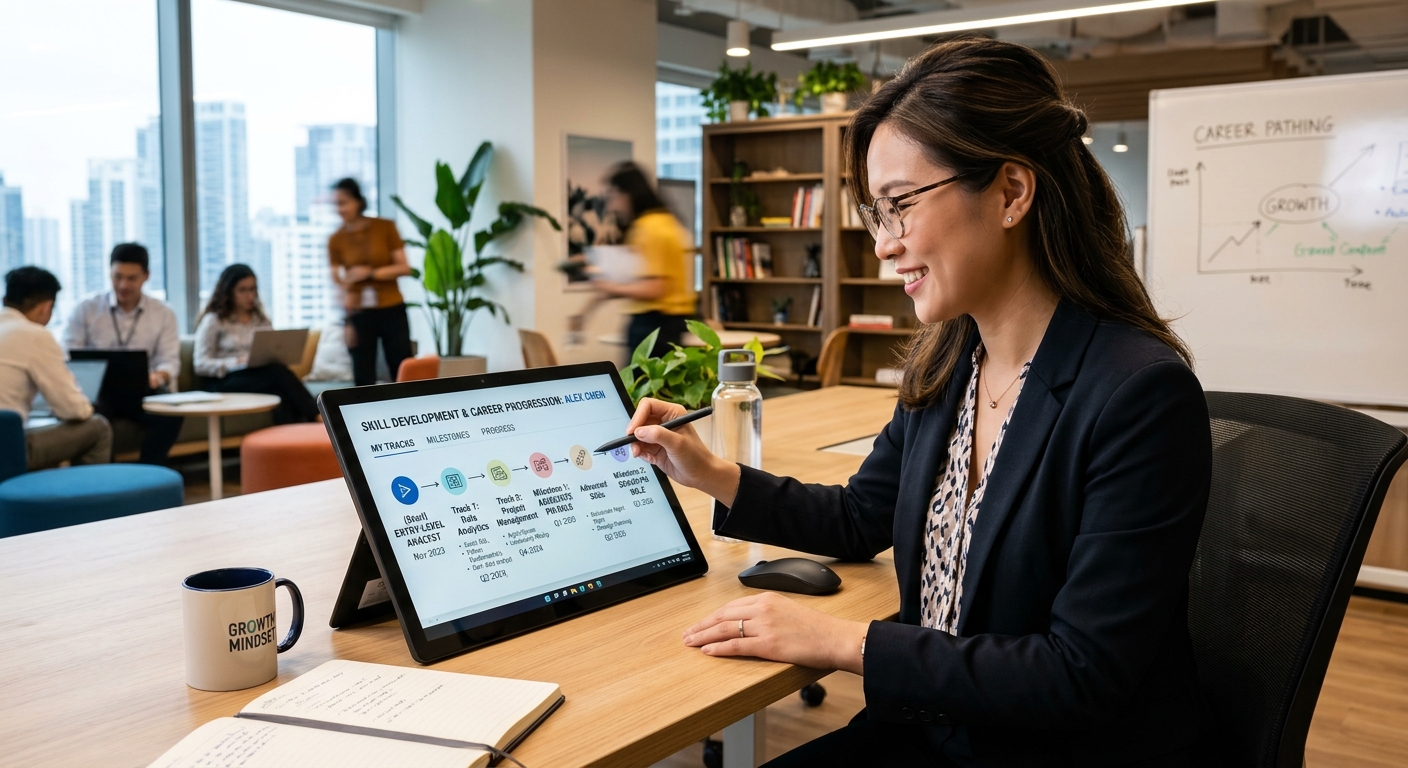
Work with department leads to define the practical competencies needed for senior positions. When staff see the exact prerequisites for team lead, specialist, or project manager tiers, self-directed upskilling becomes purposeful.
Micro-Certifications That Build Momentum
Waiting months for a single end-of-year review or comprehensive certification dampens motivation. Breaking professional tracks into milestone certificates rewards steady progress and helps team managers identify ready candidates for promotion.
Turning Knowledge into Sustained Performance
Career growth requires applying concepts to everyday projects. Combine adaptive online training modules with manager feedback checkpoints to ensure newly developed skills translate directly into measurable job performance.

Maya Chen
Head of Learning Design & AI Architecture
Maya Chen leads curriculum architecture and digital pedagogy at MLMS. She collaborates with global enterprise training divisions and academic institutions to develop scalable, skill-focused learning paths driven by practical AI workflows.